
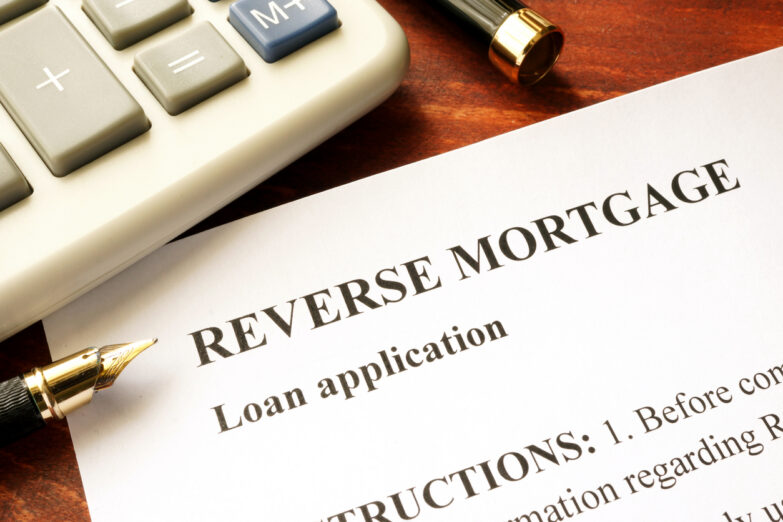
Selling a House With a Reverse Mortgage
Quick Answer: Yes. Selling a house with a reverse mortgage is allowed, and the sale itself pays off the loan at closing. If the owner has passed away, the heirs usually have 30 days after the lender's notice to decide what to do, and that window can be stretched to as long as six months to sell. If the house is worth less than the loan, the heirs can sell for at least 95 percent of the appraised value and the FHA mortgage insurance covers the rest. If it is worth more, the family keeps the difference.
Key Summary
- A reverse mortgage has to be paid off when the last borrower sells the home, passes away, or spends more than 12 months in a row in a care facility.
- When selling a house with a reverse mortgage, the title company pays the lender from the sale money and any equity left over goes to you or the estate.
- Heirs typically get 30 days after the lender's notice to choose a path, with time to sell extended up to six months and sometimes longer with proof the home is on the market.
- If the loan is bigger than the house is worth, heirs can sell for at least 95 percent of the appraised value and the mortgage insurance covers the gap.
- In Tennessee, plan for the state transfer tax and ask whether an estate sale is exempt from the property disclosure form.
Selling a house with a reverse mortgage sounds complicated, but in most cases it works a lot like selling a house with any other loan. The buyer pays, the title company sends the lender what it is owed, and whatever is left belongs to the seller or the estate. What makes it different is the timing. A reverse mortgage comes due on a schedule set by federal rules, and when the owner has passed away, the family is working against a clock while also handling grief, probate and a house that may need work.
This guide walks through how the process works in Memphis and the rest of Tennessee, what heirs need to know about the deadlines, and how to decide between keeping the home, listing it, or selling it as-is. It covers the federally insured kind of reverse mortgage, called a Home Equity Conversion Mortgage or HECM. If your loan is a private reverse mortgage, read your loan papers or call the servicer, because the rules can be different.
How Selling a House With a Reverse Mortgage Works
With a regular mortgage, you make a payment every month and the balance goes down. A reverse mortgage runs the other way. The owner receives money from the home's equity and usually makes no monthly loan payment, so the balance tends to grow over time. Nothing is owed month to month, but the full balance has to be repaid once the loan comes due.
When you sell, the loan simply gets paid off out of the sale. You or your agent ask the loan servicer for a written payoff amount, the title company includes it on the closing statement, and the lender is paid at closing before anyone else gets a check. The Consumer Financial Protection Bureau puts it plainly: heirs can sell the home, use the money to repay the loan, and keep the difference.
When a Reverse Mortgage Comes Due
According to the CFPB's guide on repaying a reverse mortgage, a HECM has to be paid off when the last surviving borrower, or an eligible non-borrowing spouse, does one of the following.
|
What happens |
What it means for the house |
|---|---|
|
Sells the home |
The loan is paid off from the sale at closing. |
|
Passes away |
The loan comes due and the heirs or estate decide whether to keep, sell or turn over the home. |
|
Is away more than 12 consecutive months in a hospital, rehab center, nursing home or assisted living facility |
The home no longer counts as the primary residence, so the loan comes due and others living there may have to move out unless they can repay it. |
Your loan documents list the full set of conditions, so keep them handy. If you are not sure whether your loan has come due, the servicer's letters will say so.
Selling a House With a Reverse Mortgage While You Still Live There
Plenty of owners sell while they are still living in the home. Maybe the stairs have become hard to manage, maybe you want to move closer to your kids, or maybe a move to assisted living is coming. In each of those cases, selling a house with a reverse mortgage on your own timeline gives you the most control, because no deadline has started yet.
Here is how selling a house with a reverse mortgage usually goes while you still live there:
- Call the servicer and ask for a payoff statement, so you know the exact balance today.
- Get a realistic idea of what the home is worth as it sits, including any repairs a buyer would expect.
- Choose how to sell, whether that is listing with an agent or taking a cash offer.
- Close through a title company, which pays off the loan and sends any leftover equity to you.
If someone else is on the loan as a co-borrower, the CFPB notes in its answer on who can live in a home with a reverse mortgage that the co-borrower can usually stay in the home if the other borrower dies or moves out. If you are thinking about downsizing, our guide on how downsizing can help your retirement in Memphis covers the bigger picture.
The 12 Month Care Facility Rule
This one catches families off guard. If the last borrower moves into a nursing home or assisted living and stays more than 12 consecutive months, the loan comes due even though nobody has sold anything. If a parent's health is changing, it is worth talking about the house early, while there is still time to plan a sale instead of reacting to a letter from the servicer.
Selling a House With a Reverse Mortgage After the Owner Dies
This is the situation most Memphis families are in when they start looking into this. A parent or grandparent had a reverse mortgage, they have passed away, and now the house belongs to the estate. The servicer will send a notice that the loan is due and payable. From there, the family has a few clear choices: pay off the loan and keep the house, sell it, or turn it over to the lender.
The Deadlines Heirs Need to Know
The clock matters most when heirs are selling a house with a reverse mortgage. The CFPB says heirs generally have 30 days from the due and payable notice to buy the home, sell it, or turn it over to the lender, and that the timeline may be extended up to six months so they can sell. HUD's own guide for families, Inheriting a Home Secured by an FHA-insured HECM, adds that the lender may approve 90 day extensions with satisfactory documentation, such as proof the house is actively listed or under contract.
|
Step |
Typical timing |
What to do |
|---|---|---|
|
Lender's due and payable notice |
Sent after the death is reported |
Call the servicer, confirm who you are, and ask for the payoff and appraisal process. |
|
First response |
About 30 days from the notice |
Tell the servicer whether the family plans to keep, sell, or turn over the home. |
|
Time to sell or finance |
Up to six months |
List the house, accept an offer, or line up a loan to keep it. |
|
Extensions |
In 90 day blocks, with documentation |
Send the servicer the listing agreement or purchase contract to show progress. |
The single most useful thing heirs can do is stay in touch with the servicer. Silence is what pushes a file toward foreclosure, while a family that answers the letters and shows the house is being sold usually gets the time it needs. HUD's Mortgagee Letter 2015-10 also limits how many extensions a lender can ask HUD for before it has to start foreclosure, so the clock is real.
When the House Is Worth Less Than the Loan
Because the balance grows over time, some reverse mortgages end up larger than the house is worth, especially on older homes that need repairs. This is where the 95 percent rule makes selling a house with a reverse mortgage much easier. The CFPB explains that when the loan balance is more than the home's value, heirs can sell the home for at least 95 percent of its appraised value to satisfy the loan, and the rest is covered by the mortgage insurance the borrower paid for. HUD's guide for heirs says the same thing.
In plain terms, the family does not have to bring money to closing to make up the gap on that path. The lender orders an appraisal, the sale price has to meet the 95 percent mark, and the insurance handles the shortfall. If you have run into low equity on other properties, our guide to low or negative home equity explains how that works more generally.
When the House Is Worth More Than the Loan
If the house is worth more than what is owed, the estate or heirs keep everything above the payoff. On a paid down or well kept Memphis home, that leftover equity can be meaningful, which is why it pays to compare a full market sale with a quick sale before choosing.
Turning the House Over to the Lender
If nobody wants the house and there is no equity to protect, HUD's guide says the heirs can transfer title to the lender through a deed in lieu of foreclosure. It is the simplest exit, but the family gets nothing from the house, so it usually makes sense only when the home is worth well under the balance and nobody wants to deal with a sale.
What About a Surviving Spouse
A spouse who was not on the loan may still be able to stay. The CFPB says an eligible non-borrowing spouse may be able to remain in the home without paying the loan balance after the borrower dies, as long as they meet HUD's rules and keep living there as their primary residence. If that describes your family, talk to the servicer before anyone lists the house, because selling would end that protection.
How Probate Fits In
In Tennessee, the person who can legally sign for the house depends on how the title was held and whether there was a will. Often a personal representative appointed through probate court signs the deed. Our guides on selling a house in probate in Memphis and selling an inherited house before probate ends walk through that side. Because probate can take a while, start it early when selling a house with a reverse mortgage and let the servicer know it is underway.
5 Smart Options for Selling a House With a Reverse Mortgage
Every family's situation is different, but almost every case of selling a house with a reverse mortgage lands on one of these five paths.
|
Option |
Best when |
Watch out for |
|---|---|---|
|
Pay off the loan and keep the house |
A family member wants to live there and can qualify for a new loan or has the cash |
The full balance has to be paid, and approval takes time inside the deadline |
|
List with a real estate agent |
The house is in good shape and there is enough time before the deadline |
Repairs, showings, commissions and buyers whose financing falls through |
|
Sell as-is for cash |
The house needs work, heirs live out of town, or the clock is running short |
A cash offer is usually below full retail value |
|
Sell for 95 percent of appraised value |
The loan balance is higher than the house is worth |
The price has to meet the appraisal mark the lender sets |
|
Deed in lieu of foreclosure |
Nobody wants the house and there is no equity left |
The family receives nothing from the property |
If you are weighing an agent against a direct sale, our side by side on selling with a realtor or a cash buyer lays out the tradeoffs in more detail.
Tennessee Costs and Paperwork to Plan For
A few state rules affect selling a house with a reverse mortgage in Memphis.
The Realty Transfer Tax
Tennessee charges a realty transfer tax when a deed is recorded. The Tennessee Department of Revenue lists the rate at 37 cents per $100, generally based on the greater of the price paid or the value of the property. Ask the title company to show it on your estimated closing statement so it is not a surprise.
The Property Disclosure Form
Most Tennessee home sellers fill out a residential property disclosure, but the law lists some exceptions. Under Tenn. Code Ann. § 66-5-209, sales by a fiduciary in the course of administering a decedent's estate are exempt, and so are sales where the owner has not lived in the home at any time in the three years before the transfer. Confirm with the estate's attorney or the title company which applies to your sale.
Where Buyerhouse Fits
We will be honest with you. If the house is in good condition, the payoff is well below its value, and the family has the time and energy to list it, putting it on the market will often bring a higher price than a cash offer. A cash offer is below full retail because the buyer takes on the repairs, the holding costs and the risk.
A direct sale helps most with selling a house with a reverse mortgage when the deadline is close, the house needs work nobody wants to pay for, the heirs live out of state, or the family simply wants it handled. Here is what Buyerhouse offers:
- A written cash offer, usually within 24 hours.
- Closing in as little as 7 days, or up to 60 days if the estate needs more time.
- No fees or commissions, and we pay the closing costs.
- No repairs needed. We buy the house as it sits.
- We buy with our own funds, so there is no buyer financing to fall through before your deadline.
- A local team that has been buying houses here since 2012, serving Memphis, Bartlett, Cordova, Collierville, Olive Branch and Southaven.
Because the title company pays the servicer at closing, a fast closing can also stop the balance from growing for months while a listing sits. You can see each step on our how it works page or read what local sellers say on our reviews page.
Picking the Right Path Before the Clock Runs Out
Selling a house with a reverse mortgage comes down to three numbers: what the loan payoff is, what the house is worth as it sits, and how much time is left before the lender's deadline. Get the payoff statement, stay in touch with the servicer, and compare a full market sale with a quick as-is sale side by side before you decide. If keeping the house, listing it, or letting the 95 percent rule do its job is the better fit, go that way.
If you would like to see what a fast, simple sale would look like, call Buyerhouse at (901) 979-9929 or request your free cash offer. There is no obligation, and you will have a written number to compare against your other options.
Frequently Asked Questions
Can you sell a house with a reverse mortgage?
Yes. Selling a house with a reverse mortgage is allowed at any point, and the loan is paid off from the sale at closing. Ask the servicer for a written payoff amount first so you know what will be left after the loan is repaid.
How long do heirs have to sell a house with a reverse mortgage?
The CFPB says heirs generally have 30 days after the lender's due and payable notice to decide, and the time to sell may be extended up to six months. HUD's guide adds that the lender may approve 90 day extensions when the family shows the house is being sold.
Are heirs responsible for reverse mortgage debt?
Heirs who want to keep the house have to pay off the full balance. If they sell and the house is worth less than the loan, they can sell for at least 95 percent of the appraised value, and the mortgage insurance the borrower paid for covers the rest.
How do heirs pay off a reverse mortgage?
Many heirs pay it off by selling the house, with the title company sending the lender its payoff at closing. Heirs who want to keep the home can pay it off with cash or a new mortgage instead.
What happens if the house is worth less than the reverse mortgage?
The heirs can sell for at least 95 percent of the appraised value to satisfy the loan, or they can turn the house over to the lender with a deed in lieu of foreclosure. On the sale path, the mortgage insurance covers the gap.
Can a surviving spouse stay in a house with a reverse mortgage?
A co-borrower spouse can usually stay. A spouse who was not on the loan may be able to stay if they qualify as an eligible non-borrowing spouse under HUD's rules and keep living there as their primary residence.
Is it hard to sell a house with a reverse mortgage?
Selling a house with a reverse mortgage is not usually hard. The sale works much like any other, with the payoff handled at closing. The hard parts tend to be the deadline, probate, and a house that needs repairs, which is why many Memphis families compare listing with a quick as-is sale.
Give Us A Call Today
 901-979-9929 or


Jamison Hendricks is the founder of buyerhouse, a Memphis-based cash home buyer since 2012. He helps Tennessee homeowners sell fast, as-is, with honesty and care.